
주요 주조 공정 유형과 장단점, 재료 선택, 비용 요소, 제조에 적합한 용도에 대해 배우기
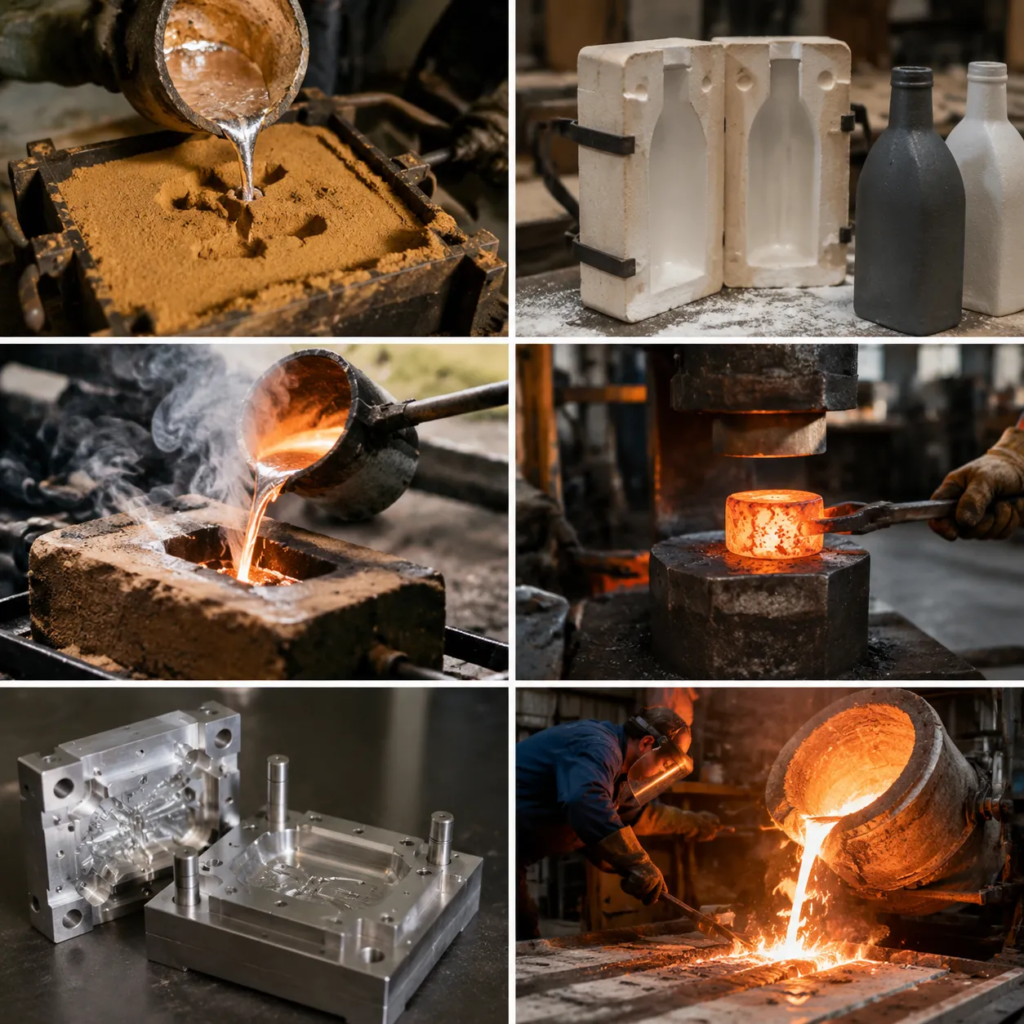
금속 주조란 무엇인가요?
금속 주조는 용융된 금속을 주형 내부에 부어 굳힌 후 특정 모양의 부품을 만드는 기초 제조 공정입니다. 현대 제조의 초석으로서, 이 공정을 통해 복잡한 형상과 정교한 디자인을 만들어낼 수 있으며, 이는 전통적인 가공 방법으로는 매우 어렵거나 비용이 많이 드는 작업입니다.
금속 주조 과정은 우리 주조소에서 직관적이고 매우 효율적인 작업 흐름을 따릅니다:
- 모형 제작: 최종 부품의 물리적 모델을 설계합니다.
- Mold Preparation: 모형 주위에 주형을 만들어 내부에 빈 공간을 남깁니다.
- 용해 및 주입: 선택한 금속을 액체 상태로 가열한 후 주형에 부어 넣습니다.
- 냉각 및 응고: 용융된 금속이 식으면서 내부 공간의 형상을 따라 굳습니다.
- cURL Too many subrequests. 경화된 금속 부품을 제거하고 세척하며, 요구되는 치수 정밀도와 표면 마감에 맞게 마무리합니다.
주조에 사용되는 일반 재료
다양한 종류의 주조는 최종 제품의 용도에 따라 특정 금속을 필요로 합니다. 우리는 주로 네 가지 주요 금속과 협력합니다:
| Material | Key Properties | Common Applications |
|---|---|---|
| cURL Too many subrequests. | 우수한 내마모성, 높은 유동성, 뛰어난 감쇠 능력 | 엔진 블록, 중장비 베이스, 파이프 |
| cURL Too many subrequests. | 높은 강도, 뛰어난 인성, 우수한 용접성 | 구조 부품, 기어, 철도 바퀴 |
| Aluminum | 경량, 내식성, 높은 열전도율 | 자동차 부품, 항공우주 부품, 소비자 전자제품 |
| cURL Too many subrequests. | 저마찰, 뛰어난 내식성, 매우 내구성 있음 | 베어링, 부시, 해양 하드웨어, 조각상 |
모래 주조: 금속 성형의 기초
모래 주조는 수천 년 전부터 내려온 제조 역사상 가장 오래되고 신뢰할 수 있는 주조 방식 중 하나입니다. 기본적으로 이 과정은 내화 재료—보통 모래—를 패턴 주위에 채워서 주형을 형성하는 것에서 시작됩니다. 패턴을 제거한 후, 용융 금속을 캐비티에 부어 최종 부품을 만듭니다. 놀라운 유연성과 비용 효율성 덕분에 현대 주조 산업에서 여전히 지배적인 역할을 하고 있습니다.
그린 샌드와 수지 샌드 주형
우리는 일반적으로 프로젝트 요구 사항에 따라 두 가지 주요 샌드 혼합물을 사용합니다:
- 그린 샌드 주형: 모래, 점토, 물의 전통적인 혼합물입니다. “그린'이라는 용어는 색상이 아니라 수분 함량을 의미합니다. 재사용이 가능하고 친환경적이며 빠른 생산에 적합합니다.
- 수지 샌드 주형: 이 방법은 화학 결합제를 사용하여 모래 알갱이들을 결합시킵니다. 훨씬 강하고 더 견고한 샌드 주형을 만들어 정밀도와 표면 마감이 우수합니다.
샌드 주형의 장단점
| Advantages | Disadvantages |
|---|---|
| 초기 공구 제작 및 개발 비용이 낮음 | 다이 캐스팅에 비해 표면 마감이 거침 |
| 매우 크고 무거운 부품도 주조 가능 | 치수 허용 오차 범위가 낮음 |
| 거의 모든 용융 금속 또는 합금과 호환 가능 | 부품당 생산 주기 시간이 느림 |
Typical Applications
모래 주조는 구조적 무결성이 더 중요한 중장비 부품에 최적의 선택입니다. 우리는 이 금속 주조 공정을 정기적으로 엔진 블록, 실린더 헤드, 중장비 베이스, 펌프 하우징, 대형 밸브 등을 생산하는 데 사용합니다. 견고한 부품이 필요할 때 신뢰할 수 있는 금속 주조 회사, 모래 주형은 뛰어난 확장성과 재료 다양성을 제공합니다.
투자 주조: 잃어버린 왁스 주조 공정
우리가 뛰어난 성능이 필요할 때 dimensional accuracy 완벽한 품질의 surface finish, 우리는 투자 주조를 선택합니다. 종종 lost wax casting, 이 방법은 가장 오래되고 정밀한 주조 유형 중 하나이며 현대 주조 제조에 사용됩니다.
잃어버린 왁스 주조 작동 원리 단계별 설명
- Pattern Creation: 우리는 최종 부품의 복제본을 만들기 위해 다이에 왁스를 주입합니다.
- cURL Too many subrequests. 우리는 여러 개의 왁스 패턴을 중앙 왁스 스프루(“트리”)에 조립합니다.
- cURL Too many subrequests. 우리는 트리를 세라믹 슬러리에 담그고 석고 모래로 코팅하며, 이 과정을 반복하여 왁스 주위에 단단한 세라믹 쉘이 형성될 때까지 진행합니다.
- 왁스 제거: 우리는 껍질을 가열하여 왁스를 녹여서 속이 빈 세라믹 몰드를 만듭니다.
- 주조: 우리는 붓기 용융 금속 을 미리 가열된 세라믹 주조 몰드.
- cURL Too many subrequests. 에 부어 넣습니다.
식으면 세라믹 껍질을 깨뜨려 최종 금속 부품을 드러냅니다.
투자 주조를 선택하는 이유는?.
이 공정은 복잡한 형상에 대해 뛰어난 정밀도를 제공합니다. 몰드가 이음매 없는 왁스 패턴 주위에 만들어지기 때문에, 모래 몰드에서 흔히 발생하는 이음매선을 제거할 수 있습니다.
| 최고의 금속 및 적용 분야 | 특징 / 세부 사항 |
|---|---|
| 투자 주조 사양 | 사용되는 최고의 금속. |
| 스테인리스 스틸, 알루미늄, 청동, 탄소강, 슈퍼합금. | 언제 선택해야 하나요?. |
| 복잡한 디자인, 얇은 벽, 엄격한 치수 공차, 최소한의 가공이 필요한 부품에 적합합니다. | 일반적인 산업 분야. |
초기 왁스 다이의 공구 비용은 일부 다른 것보다 높지만, 주조 유형 중 하나이며, 이차 가공 및 마감 비용의 절감으로 인해 고가치 정밀 생산에 매우 경제적입니다.
다이 캐스팅: 고속 금속 성형
다양한 주조 방식 중에서 다이 캐스팅은 고속 대량 생산에 뛰어납니다. 프로젝트가 대량 생산, 엄격한 공차, 우수한 표면 마감이 필요할 때 이 공정을 사용합니다. 모래 주형 대신, 다이 캐스팅은 용융 금속을 재사용 가능한 강철 주형(다이)에 강제로 주입합니다.
중력 주입과 압력 주입 다이 캐스팅
두 가지 주요 방법은 금속이 주형에 들어가는 방식에 따라 다릅니다:
| Feature | Gravity Die Casting | 압력 주입 다이 캐스팅 |
|---|---|---|
| 금속 흐름 | 중력에 의해 공급 | 고압으로 주입 |
| Production Speed | cURL Too many subrequests. | Very high |
| Wall Thickness | 벽이 두꺼운 경우 | 얇고 복잡한 벽 |
| cURL Too many subrequests. | cURL Too many subrequests. | Higher |
온실과 냉실 기계
합금의 녹는점에 따라 기계를 선택합니다:
- Hot-Chamber Die Casting: 이 주입 메커니즘은 용융 금속에 직접 잠수되어 있습니다. 이 설정은 빠른 사이클 타임을 가능하게 합니다. 아연, 마그네슘, 납과 같은 저녹는점 합금에 사용합니다.
- Cold-Chamber Die Casting: 금속은 별도의 용광로에서 용해되어 주입 챔버에 담깁니다. 알루미늄과 황동과 같이 고녹는점 금속에는 이 방법을 사용하여 주입 장비의 손상을 방지합니다.
고속 대량 생산의 이점
- 순수 형상 부품: 후처리 CNC 가공이 최소화된 부품을 생산합니다.
- 치수 일관성: 재사용 가능한 강철 금형은 모든 부품이 정확한 사양에 일치하도록 보장합니다.
- 매끄러운 표면 마감: 금형에서 바로 깨끗한 표면을 제공합니다.
다이캐스트 부품을 신뢰하는 일반 산업
- Automotive: 엔진 블록, 변속기 케이스, 브래킷.
- Electronics: 커넥터 하우징, 차폐, 방열판.
- Consumer Goods: 전동공구 하우징 및 가전제품 하드웨어.
Centrifugal Casting
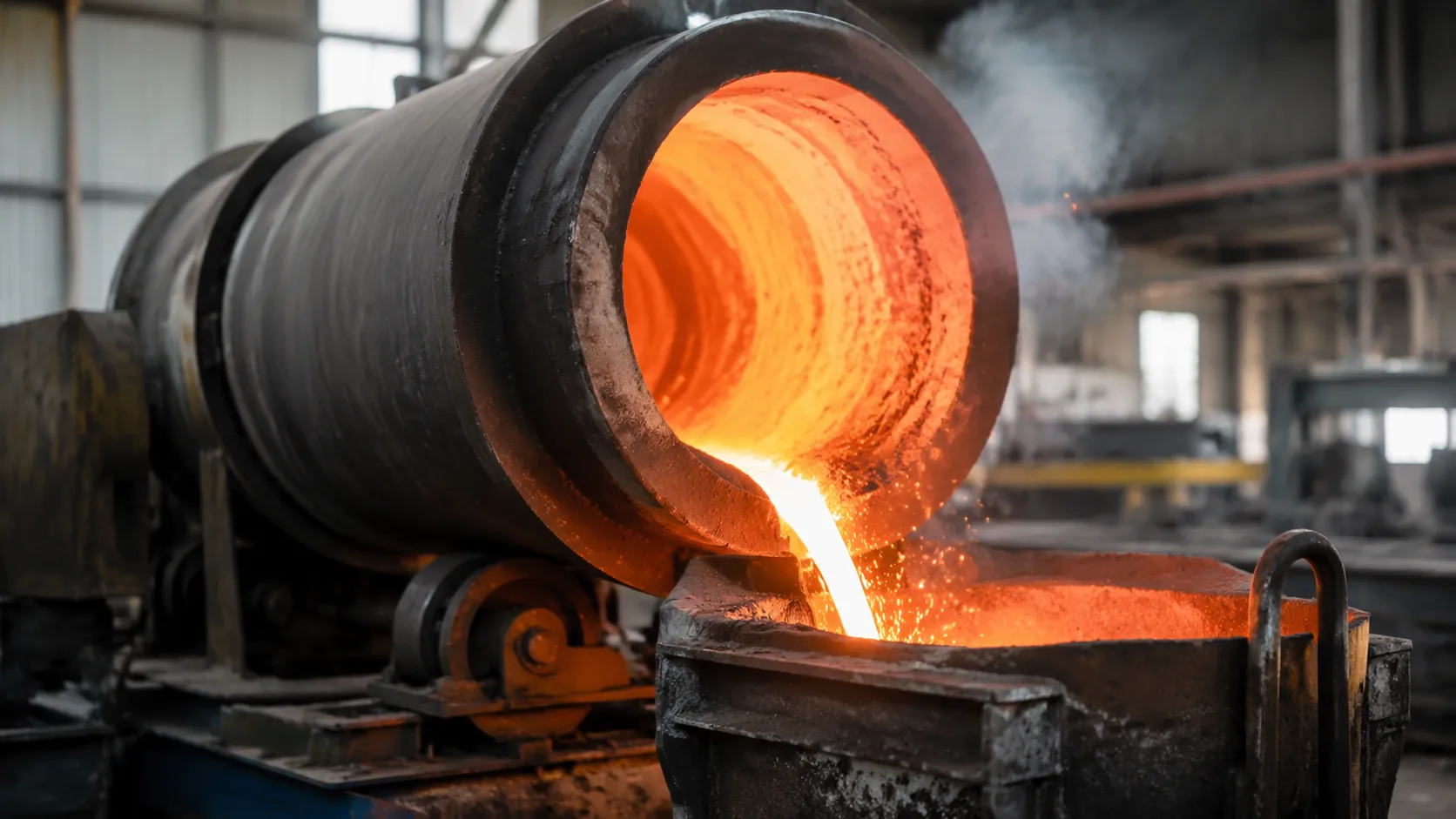
완벽한 중공 부품을 생산해야 할 때, 우리는 원심 주조. 를 의지합니다. 정적 금형 대신, 이 금속 주조 공정은 높은 속도로 금형을 회전시키면서 용융 금속을 부어 넣습니다. 원심력은 무거운 깨끗한 금속을 외벽으로 밀어내고, 가벼운 불순물은 중앙으로 몰아내어 쉽게 가공할 수 있게 합니다.
[원심 주조 공정 이미지]
진정한 원심주조와 반원심주조
이 방법을 최종 제품의 형태에 따라 두 가지 주요 기술로 나눕니다:
- 진정한 원심주조: 금형이 수평 또는 수직 축을 중심으로 회전하여 중앙 코어를 사용하지 않고 완벽한 원통형 부품을 만듭니다.
- 반원심주조: 금형이 수직 축을 중심으로 회전하며 내부 형상을 만들기 위해 코어를 사용합니다. 이 변형은 대칭적이고 바퀴와 같은 부품에 적합합니다.
이상적인 적용 분야 및 재료 이점
이 공정은 고품질의 파이프, 튜브, 링을 제조하는 데 가장 적합한 선택입니다. 회전력을 활용하여 뛰어난 구조적 강도와 표준 주조 방법으로는 달성하기 어려운 우수한 재료 밀도를 실현합니다.
| Feature | 원심주조의 이점 |
|---|---|
| cURL Too many subrequests. | 수도관, 부시 베어링, 실린더 라이너, 제트 엔진 링. |
| 재료 밀도 | 거의 0에 가까운 공극이 없는 초밀집 입자 구조. |
| Defect Reduction | 기공 및 수축과 같은 일반적인 주조 결함을 극적으로 최소화합니다. |
| Structural Integrity | 탁월한 방향성 응고로 무거운 산업용 응용 분야에 적합한 높은 기계적 강도를 제공합니다. |
Continuous Casting
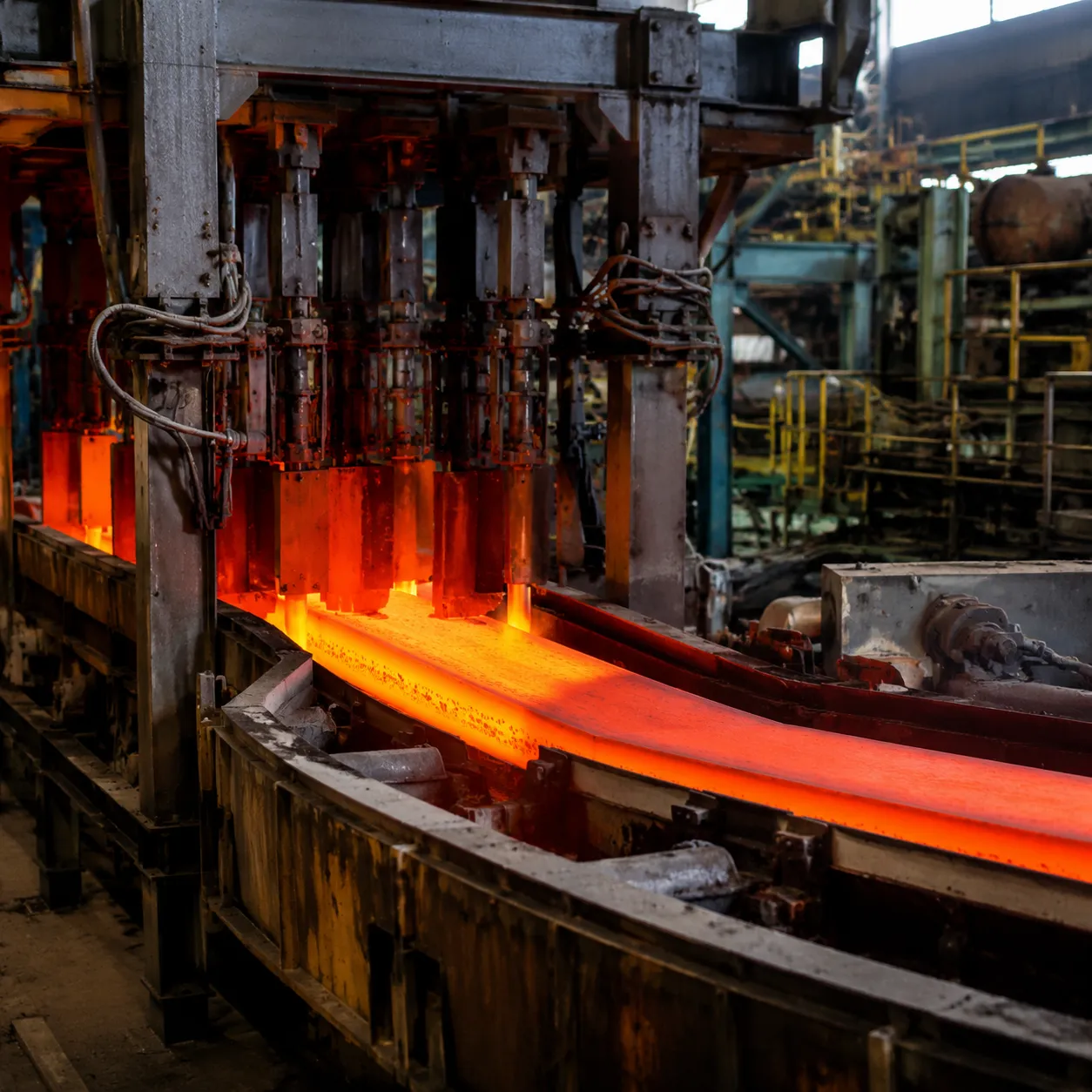
대량의 원자재를 멈추지 않고 생산해야 할 때, 우리는 연속 주조. 전통적인 배치 방식과 달리, 이 금속 주조 공정은 용융 금속을 연속적인 반제품 형태인 빌릿, 블룸 또는 슬래브로 응고시켜 끊김 없는 흐름을 만듭니다.
대량 생산 효율성과 비용 절감
이 방법은 특히 강철 생산을 위한 주조 제조 방식을 완전히 혁신했습니다. 개별 금형에 부어 넣는 단계와 인고를 재가열하는 과정을 건너뛰어 에너지, 인력, 폐기물 낭비를 줄였습니다.
| Feature | 연속 주조 이점 |
|---|---|
| Production Speed | 슬래브와 빌릿의 비중단, 대량 생산 |
| 재료 수율 | 전통적인 금형에 비해 훨씬 적은 스크랩 금속 |
| Quality Control | 매우 균일한 구조적 무결성과 표면 마감 |
| cURL Too many subrequests. | 에너지 소비 감소 및 취급 비용 절감 |
용융 금속을 수냉 주조 금형을 통해 지속적으로 이동시킴으로써 뛰어난 치수 정밀도와 일관된 품질을 달성합니다. 이는 대량 원자재 제조의 궁극적인 기반입니다.
기타 주목할 만한 주조 유형
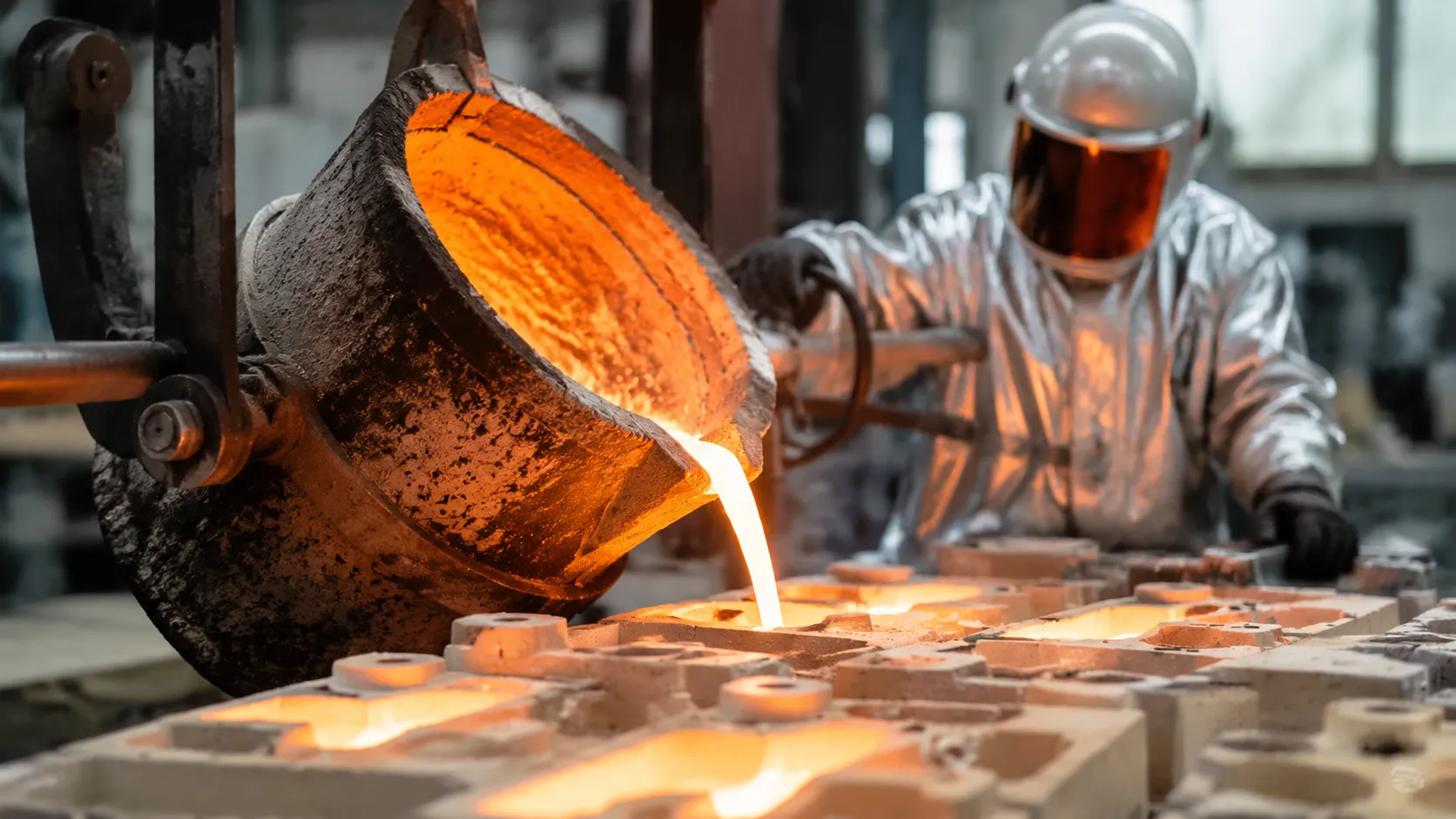
모래 및 다이 캐스팅이 대량 생산의 대부분을 처리하는 동안, 우리는 또한 여러 전문적인 주조 유형 중 하나이며 특수 설계 요구를 충족시키기 위해 활용합니다. surface finish 표준 방법이 정확한 또는 복잡한 형상을 제공하지 못할 때, 이러한 대체 주조 제조.
Shell Mold Casting
공정이 개입됩니다. 이 방법은 가열된 금속 패턴에 수지-모래 혼합물을 코팅하여 얇고 단단한 외피를 형성하는 방식입니다. 이점: dimensional accuracy 더 나은. 및 더 빠른 생산 속도를 제공합니다. 적합한 용도:.
석고 몰드 주조
모래 대신 석고 석고 혼합물을 사용하여 만듭니다 주조 몰드. 이 방법은 가열된 금속 패턴에 수지-모래 혼합물을 코팅하여 얇고 단단한 외피를 형성하는 방식입니다. 석고는 매우 매끄러운 표면을 만들어내며 surface finish 복잡한 세부 사항도 정밀하게 표현할 수 있습니다. 및 더 빠른 생산 속도를 제공합니다. 알루미늄이나 구리 합금과 같은 비철금속은 종종 잠금 부품이나 장식용 부속품에 사용됩니다.
세라믹 몰드 주조
석고와 유사하지만, 매우 높은 온도를 견딜 수 있는 세라믹 재료를 사용합니다. 이 방법은 가열된 금속 패턴에 수지-모래 혼합물을 코팅하여 얇고 단단한 외피를 형성하는 방식입니다. 고융점 금속을 부어넣을 수 있게 해주며 용융 금속 탁월한 정밀도와 완벽한 마감 처리를 유지합니다. 및 더 빠른 생산 속도를 제공합니다. 임펠러, 복잡한 기계 부품, 그리고 특수 공구 제작에 사용됩니다.
cURL Too many subrequests.
몰드 내부로 용융 금속 진공을 이용하여 공기와 가스를 완전히 제거하여. 이 방법은 가열된 금속 패턴에 수지-모래 혼합물을 코팅하여 얇고 단단한 외피를 형성하는 방식입니다. 일반적인 cURL Too many subrequests. 기공과 같은 문제를 방지하여 매우 조밀하고 구조적으로 견고한 완성품을 보장합니다. 및 더 빠른 생산 속도를 제공합니다. 재료 실패가 허용되지 않는 고신뢰성 부품.
적합한 주조 방법 선택 방법
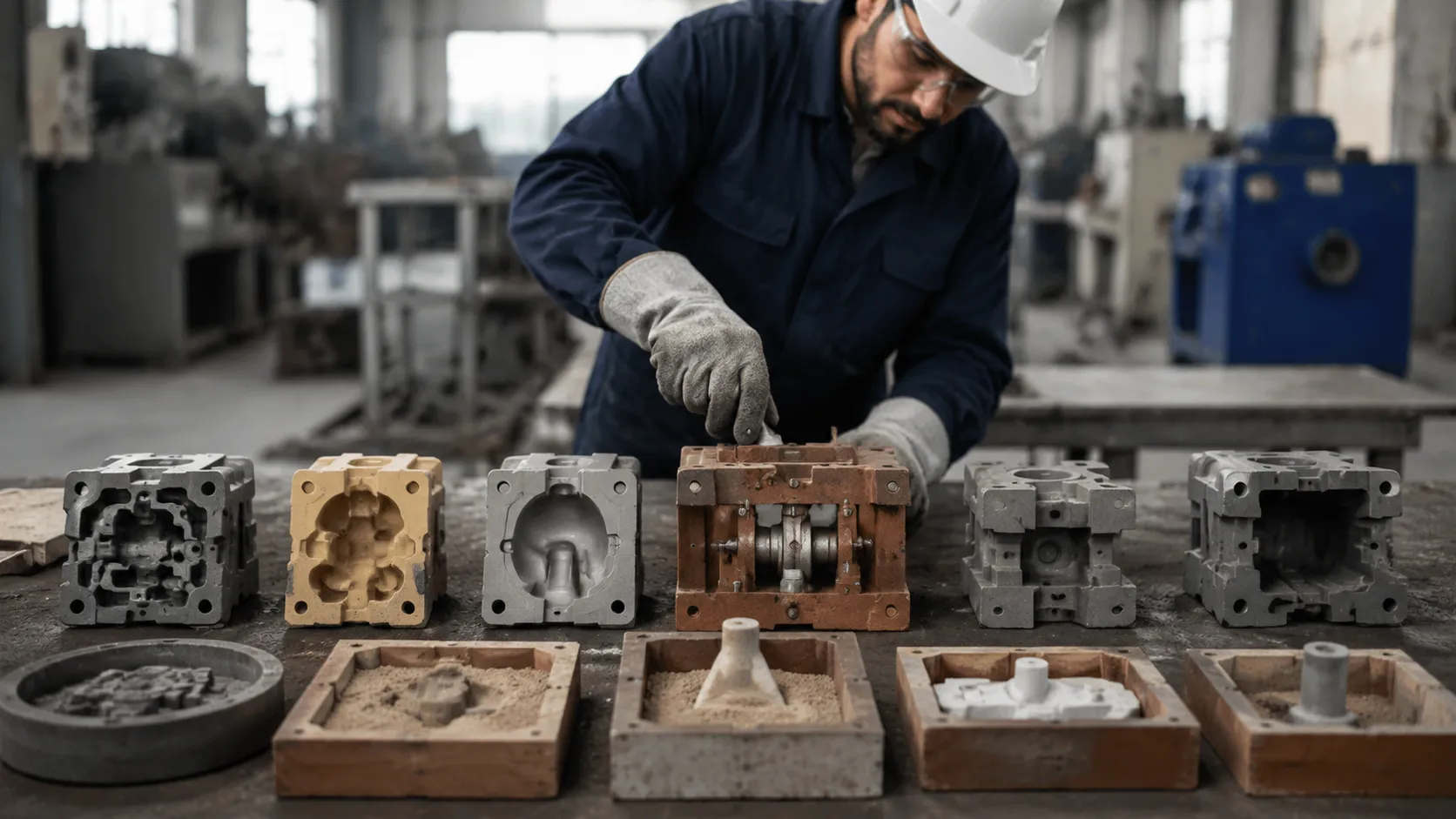
cURL Too many subrequests. 주조 유형 중 하나이며 프로젝트에 적합한 방법을 선택하는 것은 생산 예산, 일정, 제품 품질에 직접적인 영향을 미칩니다. 주조 제조업체로서 우리는 항상 네 가지 핵심 기둥을 평가하여 설계에 가장 적합한 금속 주조 공정.
생산량 및 규모
전체 주문량은 금형 설계에 영향을 미칩니다. 대량 생산의 경우, 압력 다이 캐스팅 과 같은 초기 비용이 높은 방법이 단가를 크게 낮춥니다. 소량 프로토타입이나 대형 산업 부품의 경우, 모래 주형 이 가장 유연성을 제공합니다.
재료 호환성 및 용융점
모든 용융 금속 이 모든 주조 몰드. 에서 동일하게 작동하지 않습니다. 높은 용융점을 가진 강철과 같은 강철계 금속은 모래 또는 세라믹 주형이 필요하며, 알루미늄, 마그네슘, 아연과 같은 비철금속 합금은 영구 금속 주형에서 잘 작동합니다.
치수 정밀도 및 표면 마감
부품이 엄격한 허용오차와 매끄러운 표면을 필요로 하는 경우, surface finish 주형에서 바로 나온, lost wax casting (투자 주조)는 2차 가공의 필요성을 최소화합니다. 모래 주조는 신뢰할 수 있지만, 더 거친 표면 질감을 제공하여 추가 마감이 자주 필요합니다.
주조 방법 비교 매트릭스
| 선택 요인 | Sand Casting | Investment Casting | Die Casting |
|---|---|---|---|
| Production Volume | cURL Too many subrequests. | cURL Too many subrequests. | 고급에서 초고급 |
| cURL Too many subrequests. | Very Low | cURL Too many subrequests. | Very High |
| Dimensional Accuracy | cURL Too many subrequests. | High | Excellent |
| Surface Finish | Rough | cURL Too many subrequests. | Excellent |
| 적합한 용도 | 대형 철강/철제 부품 | 복잡하고 정밀한 형상 | 대량 생산 알루미늄 부품 |
예산 제약 및 공구 비용
우리는 초기 공구 투자와 부품 단가를 비교합니다. 영구 강철 금형은 초기 비용이 크지만 대량 생산 시 가장 낮은 단가를 제공합니다. 반면, 모래 주조는 초기 비용이 거의 들지 않지만 단위당 인건비가 더 높습니다. 이러한 재무적 제약을 균형 있게 고려하여 시장 가격에 맞는 최고의 품질 부품을 얻을 수 있습니다.
주조 유형에 관한 FAQ
가장 일반적인 주조 유형은 무엇인가요?
Sand casting 이것은 주조 제조에서 가장 널리 사용되는 방법입니다. 전 세계적으로 전체 주조량의 대부분을 차지하며, 매우 비용 효율적이고 대형 부품을 처리하며 거의 모든 용융 금속과 함께 사용할 수 있기 때문입니다.
어떤 주조 공정이 가장 우수한 표면 마감 처리를 제공하나요?
Investment casting (상실 와이어 주조)와 압력 다이 캐스팅 가 가장 정밀한 표면 마감과 높은 치수 정밀도를 제공합니다. 투자 주조는 복잡한 형상에 적합하며, 다이 캐스팅은 매끄럽고 비귀금속 부품의 대량 생산에 적합합니다.
모래 주조와 다이 캐스팅의 차이점은 무엇인가요?
이 두 가지 인기 있는 주조 방식의 주요 차이점을 아래에 설명합니다:
| Feature | Sand Casting | Die Casting |
|---|---|---|
| cURL Too many subrequests. | 임시 모래 주형 | 영구 강철 금형 |
| Production Volume | cURL Too many subrequests. | High-volume production |
| Surface Finish | 거칠며, 보통 가공이 필요함 | 우수하며, 매끄러운 주조 마감 |
| cURL Too many subrequests. | 초기 비용이 낮음 | 높은 초기 공구 투자 |
| Material Choice | 철과 비철 금속 | 주로 비철(알루미늄, 아연) |
모든 금속이 모든 주조 방법에 사용될 수 있는가?
아니오. 모든 금속 주조 공정은 용융점과 금형 내구성에 따른 재료 제한이 있음. 예를 들어, 강철과 같은 고융점 철금속은 표준 다이캐스팅에 쉽게 사용할 수 없으며, 극심한 열로 인해 영구 강철 금형이 빠르게 손상될 수 있음. 반면, 모래 금형은 거의 모든 용융 금속 온도를 문제없이 견딜 수 있음.
 Korean
  English
  Spanish (Peru)
  German
  Spanish (Spain)
  Italian